Diwali Essay in English for Kids
Diwali is one of the most widely celebrated festivals in India. Known as the Festival of Lights, Diwali brings families and communities together through prayers, lights, decorations, food and celebrations.
For children, Diwali is an exciting time filled with diyas, colourful rangoli, sweets and family gatherings. It is also a wonderful opportunity to learn about Indian traditions and the values associated with the festival.
In 2026, Diwali will be celebrated on Sunday, November 8.
Quick Navigation
What Is Diwali?
Diwali, also known as Deepavali, is a major festival celebrated in India and by Indian communities around the world.
The name is commonly associated with rows of lamps, and light is an important part of the celebration.
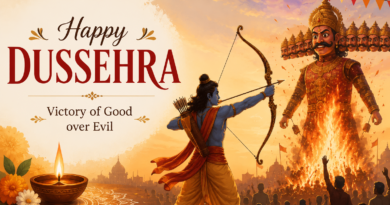
Different communities and regions observe Diwali in different ways. For many Hindus, the festival is associated with stories of the victory of good over evil and the return of Lord Rama to Ayodhya after his exile. Diwali is also observed in different ways by Jain, Sikh and other communities, with their own traditions and meanings.
When Is Diwali Celebrated?
Diwali follows the Hindu lunisolar calendar, so its date changes every year.
In 2026, Diwali falls on Sunday, November 8.
The wider Diwali period includes several days of different celebrations and traditions, although the customs and names of the days can vary across regions and communities.
Why Do We Celebrate Diwali?
Diwali has different stories and meanings depending on the community and region.
One of the most well-known stories connects Diwali with Lord Rama’s return to Ayodhya after defeating Ravana and completing his period of exile. According to the story, the people of Ayodhya welcomed Rama, Sita and Lakshmana by lighting rows of lamps.
This is why lamps and light have become such an important part of many Diwali celebrations.
Diwali is often understood as a celebration of:
- Light over darkness
- Good over evil
- Knowledge over ignorance
- Hope over despair
These ideas make Diwali meaningful beyond the decorations and celebrations.
How Is Diwali Celebrated?
Diwali traditions vary across India, but some common activities include:
Lighting Diyas
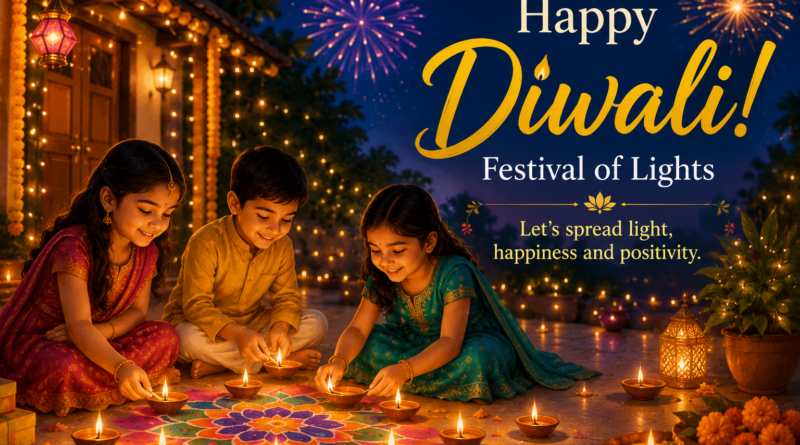
Families light diyas, or small oil lamps, around their homes. Today, many families also use decorative electric lights.
Making Rangoli
Rangoli designs are created using coloured powders, flowers or other materials. Children often enjoy helping their families make simple designs.
Decorating Homes
Homes are cleaned and decorated before the festival. People may use flowers, lamps, candles and colourful decorations.
Preparing Sweets
Diwali is closely associated with traditional sweets and festive food. Families often prepare or share sweets with relatives, friends and neighbours.
Wearing New Clothes
Many families choose new or special clothes for Diwali celebrations.
Spending Time With Family
For many people, one of the most important parts of Diwali is spending time together.
The Five Days of Diwali
The Diwali period is often described as a five-day festival, although traditions vary by region.
The days are commonly associated with:
Dhanteras: A day associated with prosperity and the beginning of the Diwali period.
Naraka Chaturdashi: Also known as Choti Diwali in some traditions.
Diwali: The main festival of lights, associated with Lakshmi Puja in many Hindu communities.
Govardhan Puja: Observed in many parts of India with traditions connected to Lord Krishna and Govardhan Hill.
Bhai Dooj: A celebration of the bond between brothers and sisters.
The exact customs and importance of each day differ across communities and regions.
What Can Children Learn From Diwali?
Diwali is an opportunity for children to learn about much more than a festival.
1. The Importance of Hope
Light is often used as a symbol of hope. Even in difficult situations, hope can help us move forward.
2. The Value of Goodness
Diwali’s stories often focus on the triumph of good over evil. Children can relate this idea to everyday choices such as being honest, kind and helpful.
3. Sharing Makes Celebrations Better
Diwali is often celebrated by sharing sweets, food and happiness with others.
Children can learn that celebrations become more meaningful when we include people around us.
4. Respect for Different Traditions
Diwali is celebrated in different ways across India.
Learning about these differences helps children understand that a single festival can have many regional traditions and cultural expressions.
How Can Children Celebrate Diwali Safely?
Children should always celebrate Diwali with adults nearby.
Some simple safety practices include:
- Never light fireworks without adult supervision.
- Keep a safe distance from fireworks.
- Wear comfortable cotton clothes rather than loose synthetic clothing near flames.
- Keep diyas away from curtains, paper and other flammable objects.
- Do not touch fireworks after they have been lit.
- Keep a bucket of water or other appropriate safety equipment nearby.
- Avoid playing near traffic or crowded areas.
- Be considerate of babies, older people, animals and people who may be sensitive to loud noise.
Children can also enjoy Diwali without fireworks by making rangoli, decorating diyas, creating crafts, helping prepare sweets and spending time with family.
Diwali Essay in 10 Lines
- Diwali is one of the most popular festivals celebrated in India.
- It is also known as the Festival of Lights.
- Diwali falls on different dates each year because it follows a lunar calendar.
- In 2026, Diwali will be celebrated on November 8.
- People decorate their homes with diyas, lights and rangoli.
- Families prepare sweets and special food during the festival.
- Many people wear new clothes and visit relatives and friends.
- Diwali is associated with different stories and traditions across India.
- The festival teaches us about light, hope, goodness and sharing.
- Diwali is a time for families to celebrate together.
A Short Diwali Essay for Kids
Diwali is an important Indian festival known as the Festival of Lights. It is celebrated with diyas, lights, rangoli, sweets, decorations and family gatherings. Diwali has different traditions and stories across India. One well-known story connects the festival with Lord Rama’s return to Ayodhya after defeating Ravana. The lighting of lamps represents light overcoming darkness and good overcoming evil. Families clean and decorate their homes and spend time together. Children enjoy making rangoli, decorating diyas and sharing sweets. Diwali teaches us the importance of hope, kindness, goodness and sharing. It is a joyful festival that brings families and communities together.
Why Is Diwali Important for Children?
Children experience festivals through sights, sounds, food and family traditions. Diwali gives them an opportunity to understand the meaning behind those traditions.
Instead of seeing Diwali only as a day for fireworks and sweets, children can learn about the stories, values and cultural practices associated with the festival.
Parents and teachers can make the learning experience more engaging by asking children questions such as:
What does light mean to you?
How can you spread happiness to someone else?
What good habit would you like to develop this Diwali?
These simple questions can turn a festival celebration into a meaningful learning experience.
A Simple Diwali Message for Children
Diwali reminds us that even a small light can brighten a dark place.
In the same way, a small act of kindness can make someone’s day better.
This Diwali, children can celebrate not only by lighting lamps and decorating their homes, but also by sharing, helping others and spreading happiness.
Moral of Diwali
Let your actions bring light, kindness and hope into the lives of others.